 (Image via
It may seem like a fashion crime to combine textures, but I assure you it's not. In fact, it can elevate an outfit. Textures are the silent language of design, communicating warmth, luxury, and sophistication without saying a word. Color often gets all the glory, but the true secret to a visually arresting outfit or a cozy, magazine-worthy living room lies in the interplay of materials. Combining velvet, leather, and wool is a masterclass in adding depth and dimension to your aesthetic. This trio works together harmoniously because each element brings something unique to the table: the sleek toughness of leather, the plush opulence of velvet, and the organic warmth of wool. Whether you are curating a winter wardrobe or redesigning your den, mastering the art of layering these textures transforms the ordinary into the extraordinary. By understanding how to balance their weight and finish, you can create looks and spaces that feel rich, curated, and undeniably inviting.
The Unique Qualities of the Trio
To successfully combine these materials, it helps to understand why they work so well individually. Each fabric has a distinct personality and visual weight that, when mixed, creates a dynamic interplay of light and shadow. It is this contrast that prevents a monochromatic look from falling flat or a busy palette from feeling chaotic.
Velvet: The Touch of Opulence
Velvet is synonymous with luxury. Its soft, dense pile absorbs light in a way that creates deep, rich color saturation that few other fabrics can match. It adds an immediate sense of glamour and softness to any setting.
- Visual Weight: Heavy and grounding, velvet draws the eye and invites touch.
- Vibe: Sophisticated, romantic, and vintage-inspired.
- Best Uses: Upholstery for accent chairs, throw pillows, blazers, and statement skirts.
Leather: The Sleek Edge
Leather provides the necessary "edge" to balance softer materials. Its smooth surface reflects light, offering a stark contrast to the matte finish of wool and the sheen of velvet. It introduces a structural element that feels modern and durable.
- Visual Weight: Substantial but sleek. It acts as a visual anchor.
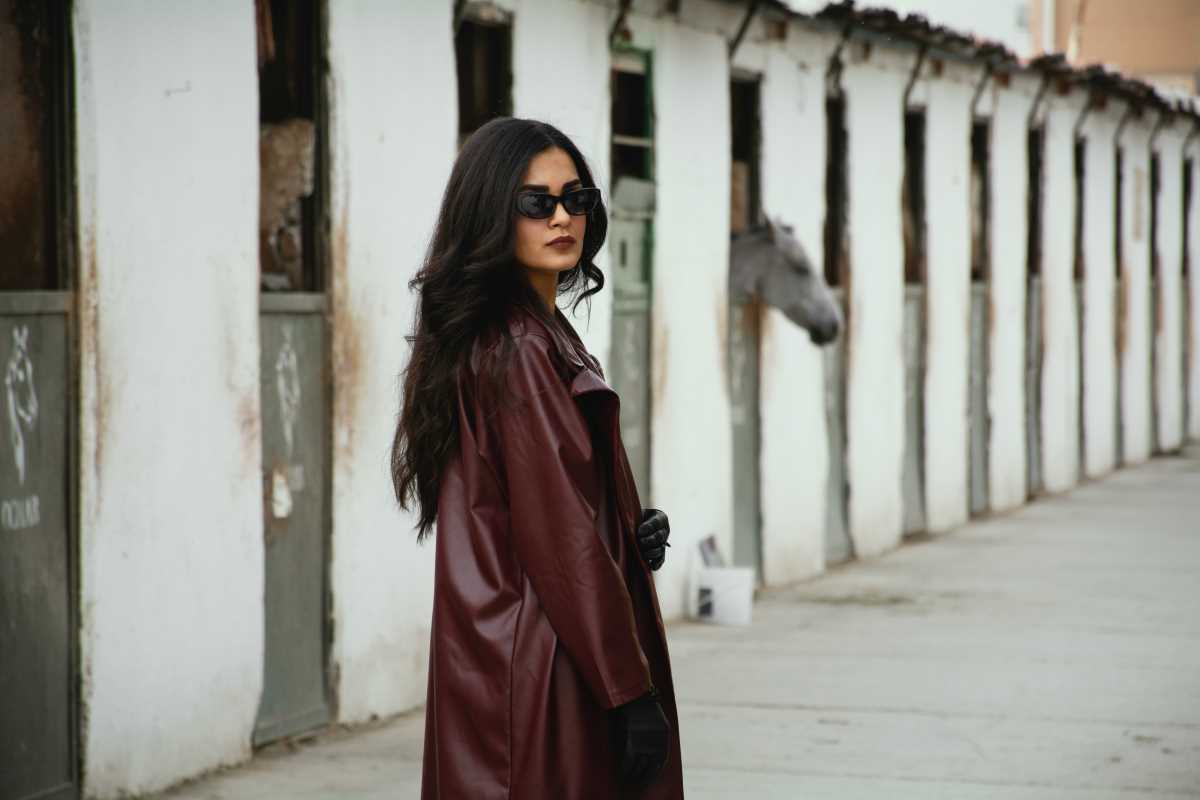
- Vibe: Modern, edgy, industrial, or classic ruggedness.
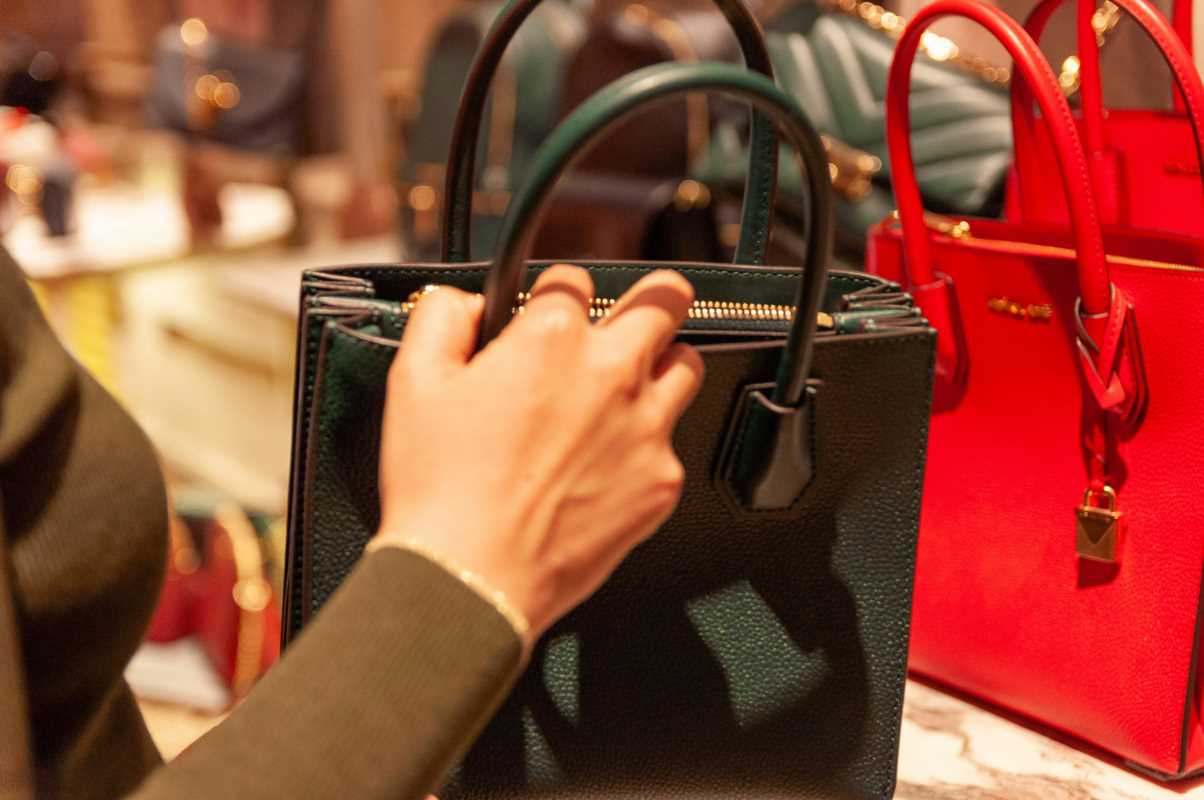
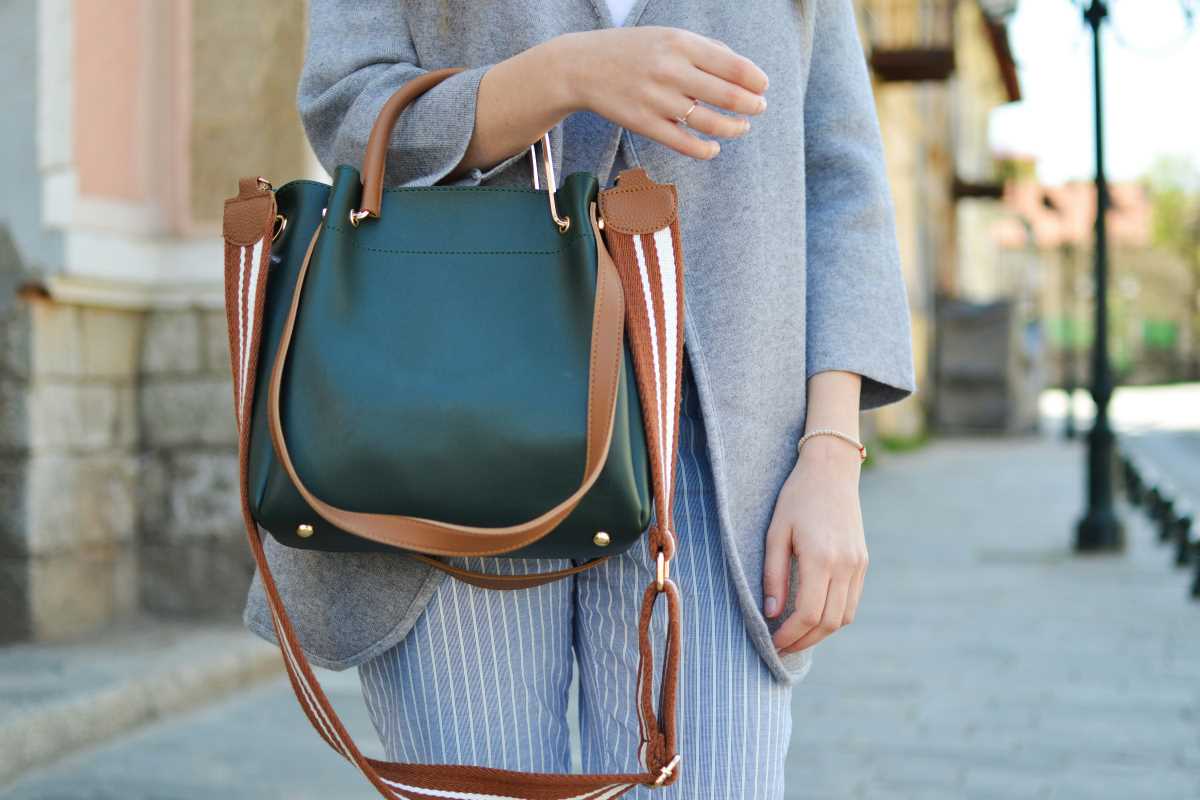
- Best Uses: Ottomans, sofas, jackets, boots, and handbags.
Wool: The Organic Weaver
Wool is the connector. Its nubby, matte texture feels organic and approachable, bridging the gap between the high-shine glamour of velvet and the cool slickness of leather. It brings essential warmth and coziness, softening the overall look.
- Visual Weight: Variable, from chunky knits to fine weaves, but generally adds "coziness."
- Vibe: Traditional, comforting, rustic, or tailored.
- Best Uses: Throws, rugs, sweaters, coats, and trousers.
Layering Textures in Home Decor
In interior design, flat spaces feel uninviting. By mixing these three power players, you create a room that feels "lived-in" and layered rather than decorated. The key is to distribute the textures evenly so no single material dominates the room.
Creating a Cozy Living Space
The living room is the perfect canvas for this textural experiment. Imagine a caramel leather sofa anchored by a thick, cream wool rug. This foundation is solid and warm. To elevate it, introduce jewel-toned velvet throw pillows in emerald or sapphire.
- The Anchor Piece: Start with a substantial item like a leather armchair or sofa. Leather ages beautifully and provides a durable base for the room.
- Softening the Edges: Drape a chunky wool knit blanket over the arm of the leather furniture. The wool softens the look of the leather instantly, making it feel more approachable.
- Adding Drama: Use velvet for accent pieces. A velvet ottoman or floor pouf adds a pop of luxury without overwhelming the space.
Bedroom Depth and Warmth
In the bedroom, the focus shifts to softness and comfort. Here, wool and velvet take center stage, with leather acting as a sophisticated accent.
- Headboards and Bedding: A velvet headboard creates a luxurious focal point. Contrast this with crisp wool blankets folded at the foot of the bed.
- Accents: Incorporate leather in smaller doses, such as a leather bench at the end of the bed, leather drawer pulls on nightstands, or a structured leather valet tray.
Fashion: Styling the Texture Triumvirate
In fashion, mixing these fabrics creates an outfit that is visually interesting and practical for cooler weather. It allows you to play with light absorption and reflection, making even an all-black outfit look dynamic and intentional.
The Everyday Chic Look
You don't need a special occasion to wear these fabrics. A casual, elevated look is easily achievable by mixing a chunky wool sweater with leather leggings or trousers.
- Top Heavy: A slightly oversized wool sweater provides comfort and matte texture.
- Bottom sleek: Pairing the sweater with leather pants or a leather skirt creates a silhouette that balances bulk with sleekness.
- The Finishing Touch: Add velvet accessories, like a velvet headband, scarf, or ankle boots, to introduce a third dimension of softness and sheen.
Office and Evening Wear
For a more tailored approach, look for finer weaves of wool and smoother leather finishes. A wool blazer over a silk camisole paired with a leather pencil skirt is a power move.
- The Third Layer: A velvet blazer is a stunning alternative to traditional wool for evening events. Pair it with wool trousers for a look that bridges the gap between festive and professional.
- Accessories Matter: If your outfit is primarily wool (like a suit), add a leather belt to define the waist and carry a velvet clutch to soften the structured lines.
Balancing Color and Proportion
While the textures themselves provide contrast, color, and proportion are the glue that holds the look together. Without a thoughtful approach to color, mixing three distinct materials can look cluttered.
Monochromatic Mastery
One of the easiest ways to master this trend is to stick to a single color family. An outfit or room in varying shades of grey allows the textures to do all the talking.
- Shades of Grey: Picture charcoal wool trousers, a dove grey velvet top, and a black leather jacket. The difference in material separates the layers visually so they don't blend into a single blob.
- Earth Tones: In a room, mix a chocolate leather chair, a beige wool rug, and rust-colored velvet pillows. The warmth connects them, and the textures keep the eye moving.
The 60-30-10 Rule for Textures
As you use this rule for color, apply it to texture to ensure balance.
- Dominant Texture (60%): Choose one material to be the main player. In a living room, this might be wool (rugs, curtains, throws).
- Secondary Texture (30%): This supports the main texture. Perhaps leather furniture takes up this visual space.
- Accent Texture (10%): Use the boldest texture sparingly. Velvet pillows or a small ottoman act as the jewelry of the room.