 (Image via
Our sense of smell holds a potent power. Smells of all kinds can take us to great and bad places. A single fragrance can transport us back to a cherished memory, instantly alter our mood, or anchor us firmly in the present moment. This profound connection between scent and emotion is the foundation of aromatherapy and scent design, practices dedicated to using fragrance to enhance our well-being. Far from being a fleeting luxury, intentionally curating the scents in your environment can transform your home into a sanctuary, boost your focus at work, and deepen your relaxation. By understanding how to harness the power of specific aromas, you can design a sensory landscape that supports your daily life, turning routine moments into opportunities for calm, clarity, and joy.
The Science Behind Scent
Why does the smell of lavender calm us down, and a citrus aroma makes us feel more energetic? The answer lies in the direct link between our olfactory system and the brain's limbic system. The limbic system is the part of the brain that governs emotions, memory, and behavior. When you inhale an aroma, its molecules travel through the nasal passage to the olfactory bulb, which sends immediate signals to this powerful region.
This neurological shortcut is why scents can trigger such immediate and visceral reactions. Unlike our other senses, which are processed through the thalamus first, smell has a direct line to our emotional core. This makes scent an incredibly effective tool for influencing our mental state, from reducing anxiety to sharpening our cognitive performance. Scent design is the conscious application of this science, allowing you to build an aromatic environment that aligns with your goals and enhances your quality of life.
Morning Rituals: Starting Your Day with Intention
How you begin your day can set the tone for everything that follows. Instead of being jolted awake by a jarring alarm, imagine waking to a scent that gently energizes and uplifts you. Incorporating aromatherapy into your morning routine is a simple way to start with a sense of purpose and positivity.
- Energizing Aromas: Citrus scents like lemon, grapefruit, and sweet orange are renowned for their mood-boosting and energizing properties. Using a diffuser with a few drops of these essential oils in your bedroom or kitchen as you prepare breakfast can help you feel more awake and optimistic.
- Focus-Enhancing Scents: For those who need to hit the ground running, scents like peppermint and rosemary are excellent choices. They are known to improve alertness and concentration. Consider using a peppermint-infused body wash in your morning shower for an invigorating start.
- Grounding and Centering: If mornings feel chaotic or stressful, grounding scents like cedarwood or frankincense can provide a sense of stability. A few deep inhalations of these earthy aromas can help center your mind before the day's demands begin.
Creating a Productive Workspace
Whether you work from a home office or a corporate building, your environment significantly impacts your focus and productivity. Scent design can transform a sterile workspace into a hub of creativity and efficiency. The right aroma can help minimize distractions, sustain energy levels during the afternoon slump, and foster a more positive work atmosphere.
Choosing Scents for Focus
Certain scents are particularly effective at stimulating the mind and enhancing cognitive function. By introducing them into your workspace, you can create a more conducive environment for deep work.
- Rosemary for Memory: Studies have shown that rosemary can improve memory retention and performance on cognitive tasks. It is an excellent choice for study sessions or when working on complex projects.
- Lemon for Clarity: The clean, bright scent of lemon helps to cut through mental fog and reduce errors. It promotes a feeling of cleanliness and order, which can translate into clearer thinking.
- Peppermint for Stamina: When your energy starts to wane after lunch, the sharp, stimulating aroma of peppermint can provide a natural boost, helping you power through the rest of the day without reaching for another cup of coffee.
The Art of Relaxation: Winding Down in the Evening
As you can use scent to energize your morning, you can use it to signal to your body and mind that it is time to unwind. Creating a scent-based evening ritual helps you transition away from the stress of the day and prepare for restful sleep. This practice of "scent-scaping" for relaxation can dramatically improve sleep quality and overall well-being.
Cultivating a Calm Atmosphere
The key to an evening scent profile is to select aromas that soothe the nervous system and promote tranquility.
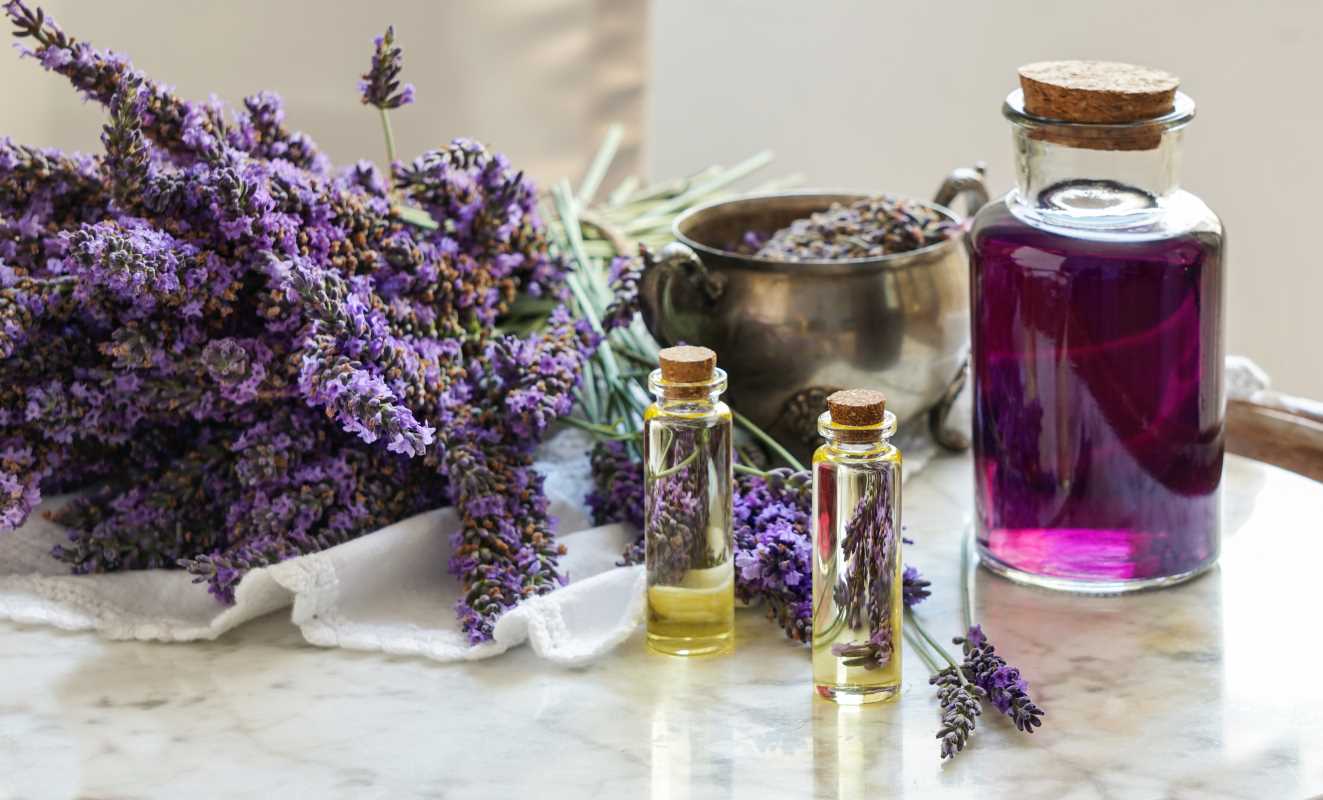
- Lavender for Sleep: Lavender is the most well-known essential oil for relaxation and sleep. Its gentle floral scent has been proven to lower heart rate and blood pressure, easing you into a peaceful slumber. Use it in a diffuser in your bedroom 30 minutes before bed.
- Chamomile for Tranquility: Much like the tea, chamomile essential oil has a calming, almost sedative effect. It is perfect for quieting an anxious mind and is gentle enough for children's rooms.
- Sandalwood for Meditation: The rich, woody scent of sandalwood is deeply grounding and often used in meditation practices. It encourages a state of mindfulness and helps to release the mental chatter that can keep you awake at night.
Scent Design Throughout the Home
Beyond specific routines, you can assign different "scent personalities" to various rooms in your home to create distinct moods and functions. This approach to whole-home scent design makes your living space feel more intentional and cohesive.
- The Welcoming Entryway: A warm and inviting scent like cinnamon, clove, or vanilla in the entryway makes guests feel immediately welcome. It creates a first impression of hospitality and comfort.
- The Social Living Room: For areas where you gather and entertain, choose bright and uplifting scents. Geranium or bergamot can foster positive social interaction and create a cheerful ambiance.
- The Spa-Like Bathroom: Transform your bathroom into a personal sanctuary with clean, refreshing scents. Eucalyptus is a popular choice for its association with steam rooms and its ability to open up the airways, creating a spa-like experience during a hot shower.
How to Incorporate Scent: Tools and Methods
There are numerous ways to introduce aromatherapy and scent design into your life. The method you choose depends on your preference, the size of the space, and the intensity of the fragrance you desire.
- Essential Oil Diffusers: Ultrasonic diffusers use water and electronic frequencies to create a fine, scented mist. They are an excellent way to disperse aromas throughout a room and also add a bit of humidity to the air.
- Candles: High-quality candles made from natural waxes like soy or beeswax and scented with essential oils provide both fragrance and the warm, ambient glow of a flame.
- Room Sprays: A simple spritz can instantly refresh a room. You can easily make your own by mixing distilled water, a splash of witch hazel, and your favorite essential oils in a spray bottle.
- Personal Inhalers: For targeted, on-the-go use, personal aromatherapy inhalers allow you to get a quick dose of a specific scent without affecting those around you.