 (Image via
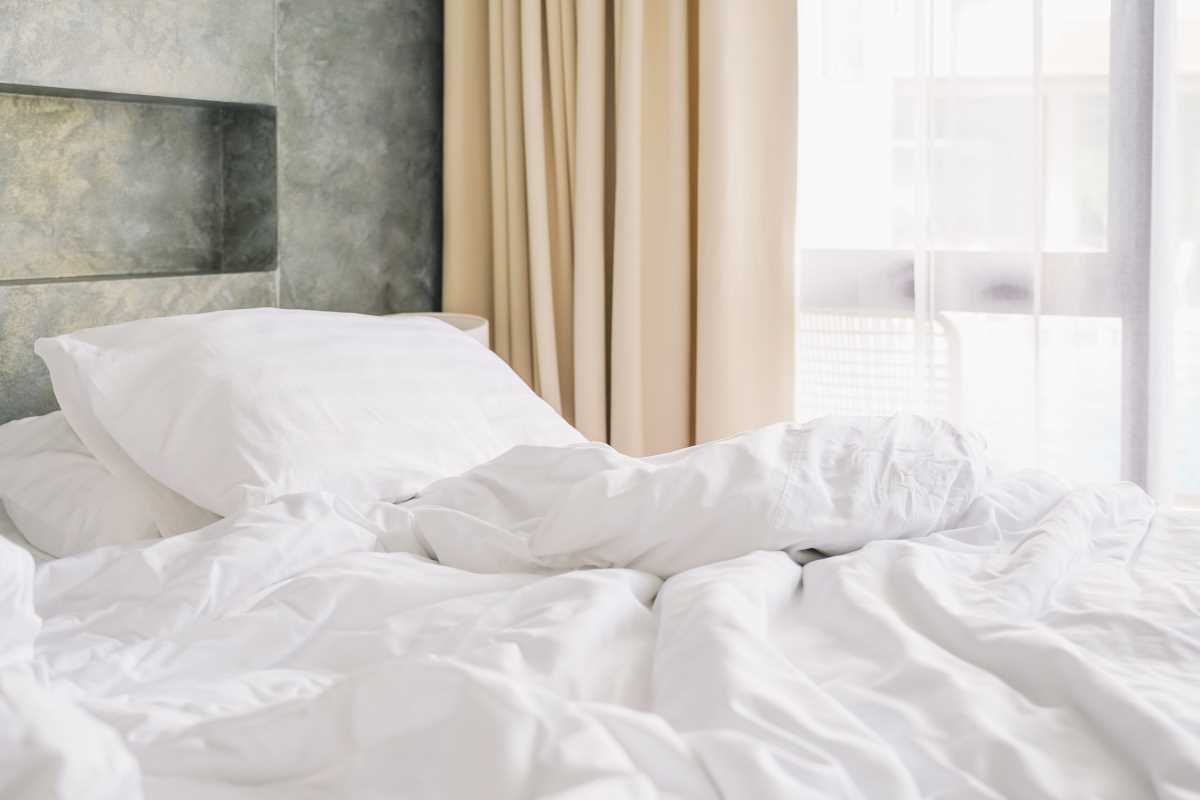
Curtains in a room can make it look all the better. You can get some cheaper ones, but they won't do everything you need them to like high-quality ones will. The right curtains act as the perfect finishing touch, framing your windows and tying the entire design scheme together. They have the power to soften a space, add a dramatic flair, or introduce a pop of color and texture, all while serving practical purposes like ensuring privacy and controlling light. Choosing high-quality curtains is an investment in both the beauty and comfort of your home. With the right selection, you can elevate your decor from simply nice to absolutely stunning, creating an atmosphere that feels both polished and deeply personal. Let's explore how to find the perfect curtains for your space.
The Foundation: Choosing the Right Fabric
The material of your curtains is the most important factor in determining their look, feel, and function. The fabric dictates how the curtains hang, how they filter light, and how durable they will be over time. For a truly luxurious and polished appearance, selecting a high-quality material is essential.
Different fabrics offer distinct advantages and create varied moods within a space.
- Linen: For a relaxed, airy, and organic feel, linen is an excellent choice. It drapes beautifully and diffuses light softly, creating a warm and inviting glow. Its naturally textured appearance adds a touch of casual sophistication, perfect for living rooms and bedrooms where you want a comfortable yet chic vibe.
- Silk and Faux Silk: If you're aiming for a more formal and opulent look, silk is a classic option. It has a stunning sheen that catches the light and adds a sense of drama to a room. However, genuine silk is delicate and can be susceptible to sun damage. High-quality faux silk offers a similar lustrous appearance with much greater durability and is easier to care for, making it a practical choice for many homes.
- Velvet: Nothing says luxury quite like velvet. This heavy, plush fabric provides excellent insulation, sound dampening, and light-blocking capabilities. Its rich texture adds depth and a sense of coziness, making it ideal for formal dining rooms, grand living rooms, or bedrooms where you want to create a dark, restful sanctuary.
- Cotton: A versatile and popular choice, cotton offers a crisp, clean look that can suit both traditional and modern interiors. It drapes well and comes in countless colors and patterns. For a more substantial feel, consider a heavyweight cotton or a cotton-blend fabric.
When selecting a fabric, also consider lining. A quality lining not only protects the main fabric from sun fading but also adds weight and body, helping the curtains hang more elegantly. A blackout lining is perfect for bedrooms, and a thermal lining can help improve your home's energy efficiency.
Perfecting Your Palette: Color and Pattern
Once you've settled on a fabric, the next step is to consider color and pattern. This is where you can truly integrate your curtains with your existing decor and express your personal style. The choice between solid colors and patterns depends on the overall look you wish to achieve.
If your room already features bold furniture or a patterned rug, solid-colored curtains can provide a sense of balance and calm. Choosing a color that is a few shades lighter or darker than your wall color creates a sophisticated, layered effect without overwhelming the space. Alternatively, you can pick up an accent color from a piece of art or a throw pillow to tie the room together cohesively. Neutral tones like ivory, beige, or gray are timeless and versatile, providing a beautiful backdrop that allows other elements in the room to shine.
For rooms with more neutral furnishings, patterned curtains can be a fantastic way to introduce personality and visual interest.
- Geometric Prints: These can add a modern and dynamic edge to your space.
- Floral or Botanical Patterns: These are perfect for creating a softer, more traditional or bohemian feel.
- Subtle Textures: A damask or jacquard weave can add dimension and elegance without the commitment of a bold pattern.
The key is to ensure the scale of the pattern is appropriate for the room. A large, bold pattern can make a small room feel even smaller, whereas a tiny, intricate pattern might get lost in a large, open space.
Style and Structure: Finding the Right Curtain Heading
The style of your curtains, particularly the heading (the top part that attaches to the rod), has a significant impact on their overall appearance. The heading determines how the fabric drapes and contributes to the formality of the look.
For a high-end, custom feel, consider these popular styles:
- Pinch Pleat: This is a classic, tailored heading where the fabric is gathered into tight pleats. It creates elegant, uniform folds that flow down the length of the curtain, offering a traditional and sophisticated look. Double or triple pinch pleats are common and look wonderful in formal living or dining rooms.
- Grommet Top: For a more contemporary and clean aesthetic, grommet-top curtains feature metal rings embedded in the fabric. The curtains are threaded directly onto the rod, creating wide, soft, and even ripples. This style is easy to open and close and works well in modern or transitional spaces.
- Rod Pocket: In this simple style, a channel is sewn into the top of the curtain panel, allowing the rod to slide through it. This creates a gathered, casual look. While classic, it can be more difficult to slide the curtains open and closed, so it's often best for panels that will remain stationary.
- Tab Top and Back Tab: Tab top curtains have loops of fabric sewn onto the top edge, and back tab (or hidden tab) curtains have the loops on the back. Both create a neat, folded appearance. Back tabs provide a more streamlined look, similar to a rod pocket but with the ability to slide more easily.
The Finishing Touch: Perfect Installation
Even the most beautiful, high-quality curtains will fall flat if they are not installed correctly. Proper measurement and hardware placement are crucial for achieving that polished, designer look.
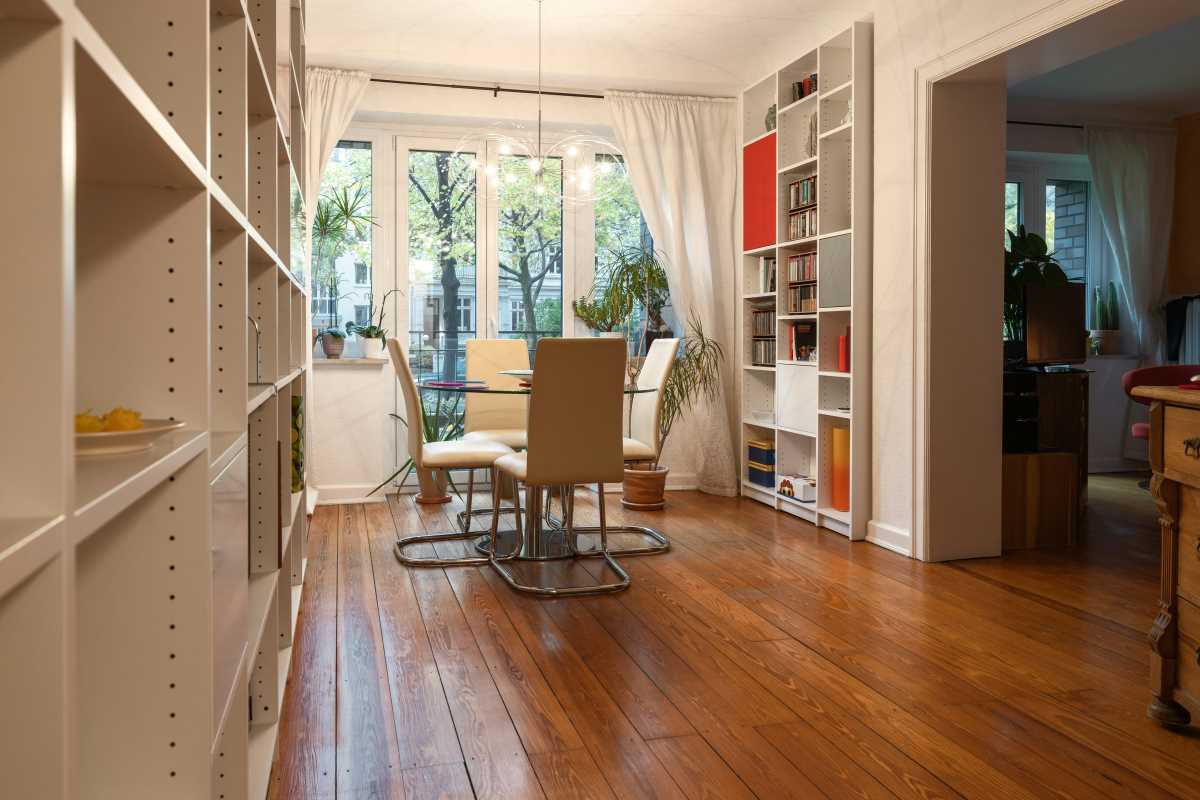
A common mistake is hanging the curtain rod too low and too narrow. To create an illusion of height and make your windows appear larger, mount the rod at least 4 to 6 inches above the window frame. If you have high ceilings, you can go even higher to draw the eye upward.
Similarly, extend the rod 6 to 12 inches beyond the window frame on each side. This allows you to pull the curtains completely clear of the window when they are open, maximizing natural light and providing an unobstructed view. This technique makes the window itself look wider and more impressive.
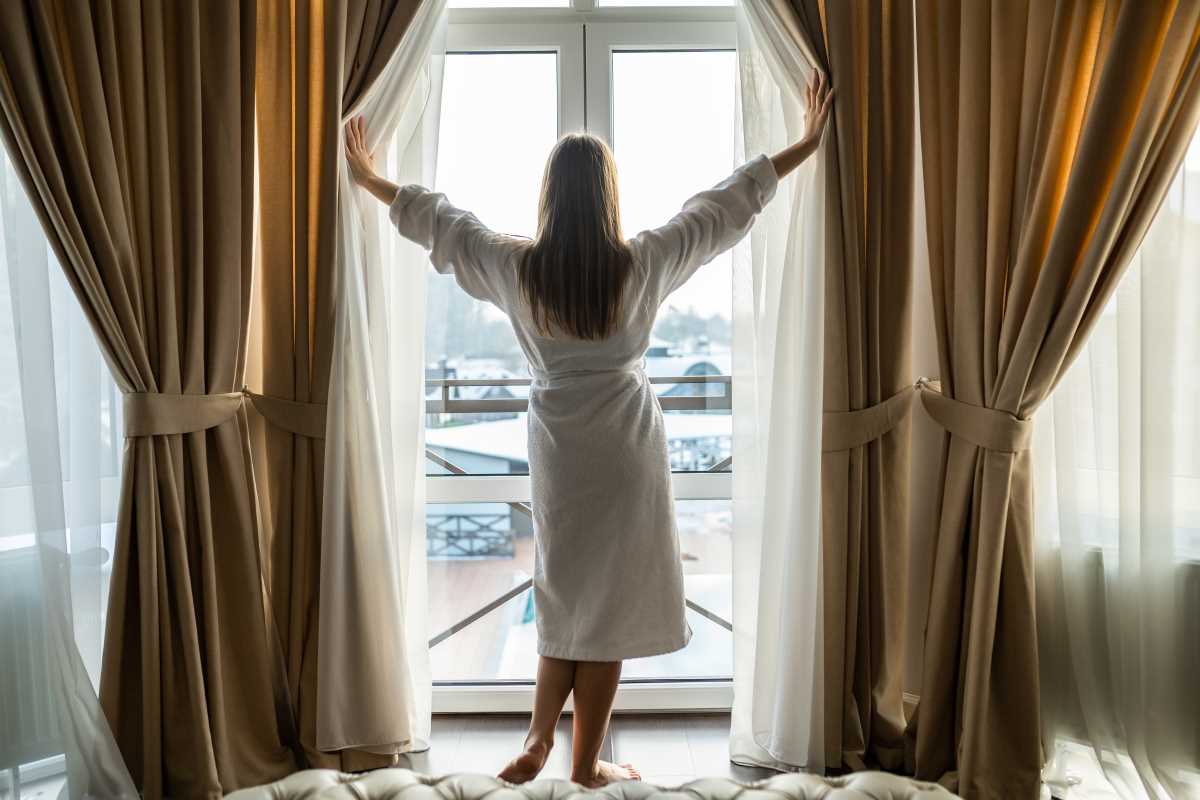
Finally, let’s talk about length. For a classic, elegant look, curtains should either skim the floor or "puddle" slightly with an extra 1 to 3 inches of fabric. Curtains that are too short can look awkward and unfinished. Taking the time to measure precisely before ordering or hemming will ensure your curtains perfectly frame your windows, completing your room with style and sophistication.