 (Image via
The idea of luxury and modernity don't often go hand in hand. But they influence each other more than you think. Luxury has never been a static concept. For centuries, it was defined by scarcity, opacity, and the accumulation of tangible assets—gilded palaces, heavy jewels, and logos that screamed status from across the room. However, as the pace of modern life accelerates and our collective values shift, the definition of elegance is undergoing a profound metamorphosis. Today’s luxury is less about what you have and more about who you are and how you live. It is driven by a desire for meaningful experiences, ethical consumption, and seamless technological integration. This evolution reflects a sophisticated consumer who values time over trinkets and purpose over possession. As we navigate this new era, we are witnessing a redefinition of opulence that prioritizes sustainability, personalization, and emotional resonance, proving that true elegance is seen and felt.
From Ostentation to Quiet Luxury
The most visible shift in the luxury landscape is the move away from "logomania" toward a more understated aesthetic often referred to as "quiet luxury" or "stealth wealth." In a world of oversharing and digital noise, privacy and discretion have become the ultimate status symbols. The modern affluent consumer no longer feels the need to broadcast their wealth through flashy branding. Instead, they seek out products that signal quality through craftsmanship, materials, and silhouette—details that are recognizable only to those "in the know."
This trend is not merely an aesthetic choice. It’s a response to a cultural climate that increasingly values authenticity. High-net-worth individuals are swapping trends for timelessness, investing in capsule wardrobes and heritage pieces that transcend seasons. The focus has shifted from the accumulation of many things to the curation of the right things.
- Material Integrity: There is a renewed appreciation for the provenance of materials, with consumers favoring Vicuña wool, organic silk, and vegetable-tanned leathers that age beautifully.
- Artisanal Heritage: Brands that highlight the human hands behind the product are thriving, as buyers seek a connection to the maker and the history of the craft.
- Longevity Over Hype: The "drop culture" of limited releases is being challenged by a desire for enduring design that doesn't lose value or relevance after a few months.
Sustainability as the New Standard
For decades, luxury and sustainability were often viewed as mutually exclusive. Eco-friendly products were seen as "crunchy" or lacking in refinement. Today, that binary has been completely dismantled. Sustainability is now a non-negotiable pillar of modern elegance. The new generation of luxury consumers—Millennials and Gen Z—demand transparency and ethical responsibility from the brands they support.
This is not about "greenwashing" or token gestures. It represents a fundamental change in what is considered aspirational. A diamond is no longer beautiful if its extraction caused human suffering. A fur coat loses its luster if it represents animal cruelty. True luxury now encompasses the peace of mind that comes from knowing your choices are not harming the planet.
The Rise of Circular Luxury
The linear model of "buy, use, dispose" is being replaced by circular economies within the high-end market.
- Resale Renaissance: Platforms for pre-owned luxury goods have destigmatized second-hand shopping, turning vintage hunting into a treasure chase for unique, archival pieces.
- Upcycling and Repair: prestigious fashion houses are launching repair services and upcycled collections, positioning the restoration of beloved items as a service as exclusive as buying new.
- Lab-Grown Innovation: The fine jewelry sector is seeing a surge in lab-grown diamonds and gemstones, offering the same physical brilliance without the environmental toll of mining.
The Experience Economy: Collecting Moments
Perhaps the most significant evolution is the shift from tangible goods to intangible experiences. The modern status symbol is not a car in the driveway, but a transformative journey to a remote corner of the globe. As our lives become more digital, we crave visceral, real-world connections.
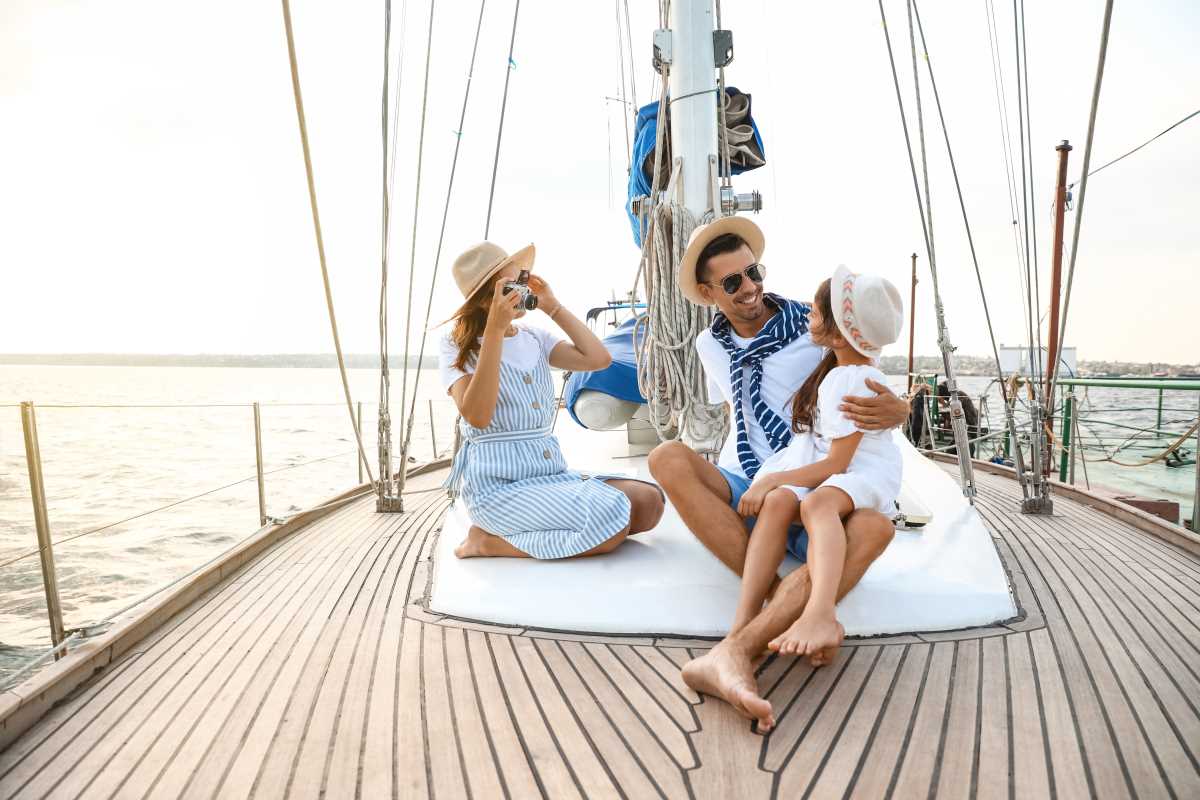
Luxury travel has evolved beyond five-star hotels with gold faucets. It is now about access to the inaccessible and the personalization of the itinerary. Travelers want to immerse themselves in local cultures, learn new skills, and challenge themselves physically and mentally. This "transformational travel" aims to ensure that the person returning home is different from the one who left.
- Educational Immersion: High-end retreats now offer masterclasses with experts—cooking with Michelin-starred chefs, painting with renowned artists, or training with Olympic athletes.
- Wellness Tourism: The spa vacation has evolved into comprehensive wellness tourism, integrating medical diagnostics, mental health workshops, and spiritual practices like meditation and forest bathing.
- Hyper-Personalization: Concierge services now curate trips based on deep psychographic profiling, ensuring every moment aligns with the traveler's personal values and interests.
Technology: The Invisible Concierge
Technology plays a paradoxical role in modern luxury. On one hand, there is a desire to disconnect—the "digital detox" is a popular luxury offering. On the other hand, we expect technology to facilitate a life of frictionless ease. The elegance lies in the invisibility of the tech. It should work seamlessly in the background to enhance the human experience, not dominate it.
Smart homes are no longer about showing off gadgets and, rather, creating responsive environments that anticipate needs. This is "ambient intelligence," where the home adjusts lighting, temperature, and soundscapes based on the time of day or the occupants' biometric data.
Digital Exclusivity
The digital realm is also creating new forms of ownership and community.
- NFTs and Digital Art: The acquisition of digital assets has become a serious avenue for collectors, blending the worlds of art, technology, and finance.
- Virtual Fashion: High-end brands are designing "skins" and digital garments for the metaverse, allowing consumers to express their style in virtual environments.
- Token-Gated Communities: ownership of certain digital assets now grants access to exclusive physical events, private clubs, and networking opportunities, bridging the gap between the digital and physical worlds.
Wellness as the Ultimate Wealth
In a high-pressure society, health—both physical and mental—has emerged as the ultimate asset. The phrase "health is wealth" has been co-opted by the luxury sector, transforming wellness from a hobby into a lifestyle. This goes beyond gym memberships. It encompasses biohacking, sleep optimization, and nutritional psychiatry.
Modern elegance involves radiating vitality. It is about the glow that comes from rigorous self-care and a balanced life. This trend has influenced everything from architecture (with circadian lighting systems) to fashion (with the rise of "athleisure" as acceptable high-end wear).
- At-Home Sanctuaries: Residential real estate is increasingly defined by wellness amenities, such as infrared saunas, cryotherapy chambers, and meditation rooms built directly into private homes.
- Preventative Health: Concierge medicine and DNA-based health plans are becoming standard for the ultra-wealthy, shifting the focus from treating illness to optimizing longevity.
- Mental Health Prioritization: Therapy, coaching, and mental wellness retreats are now openly discussed and celebrated components of a successful life, shedding their former stigma.