 (Image via
Home decor can be absurdly expensive. Instead, you can look for artisanal goods that may fit your home better than mass-produced decor. While convenient, big-box store items frequently lack the soul and story that truly make a space feel like yours. This is where artisanal home accessories shine. By incorporating handcrafted pieces into your design scheme, you instantly inject warmth, texture, and a unique narrative that no factory line can replicate. Whether it is a hand-thrown vase sitting on your mantel or a woven tapestry hanging in your hallway, these items serve as conversation starters and tangible reflections of human creativity. Infusing your home with artisanal touches transforms generic rooms into curated environments that reflect your specific tastes, travels, and values. As you explore the world of artisanal craft, you will find that your home naturally evolves into a reflection of your unique personality and values.
The Unique Appeal of Handcrafted Design
There is an undeniable magic in objects made by hand. When you hold a ceramic mug shaped by a potter or walk across a rug woven on a loom, you connect directly with the maker’s skill and vision. This connection is what elevates artisanal accessories above standard decor. They are expressions of artistry.
The beauty often lies in the imperfections. A slight variation in glaze or a visible brushstroke reminds us that a human being created this piece. These subtle nuances add depth and visual interest that perfectly symmetrical, machine-made items simply cannot achieve. Furthermore, choosing artisanal goods often supports sustainable practices. Many artisans prioritize local materials, ethical production methods, and durability, ensuring that your beautiful home accessories stand the test of time.
Celebrating Craftsmanship and Skill
At the heart of every artisanal piece is a deep dedication to craft. Artisans often spend years honing their skills, passing down techniques through generations or innovating new methods to express their creativity.
- Mastery of Material: Artisans understand their medium intimately, whether it is clay, wood, glass, or fiber. They know how to manipulate it to bring out its best qualities.
- Attention to Detail: Handcrafted items receive a level of scrutiny and care that mass production cannot match. Every stitch, joint, and finish is intentional.
- Durability and Quality: Because they are made with care and often better materials, artisanal products tend to last longer, becoming heirlooms rather than disposable decor.
Popular Artisanal Accessories for Every Room
Integrating handmade items doesn't require a complete renovation. Small, thoughtful additions can have a massive impact on the atmosphere of a room. Here are some popular categories of artisanal accessories that can effortlessly personalize your space.
Handmade Ceramics and Pottery
Ceramics are perhaps the most versatile artisanal accessory. From functional dinnerware to purely decorative sculptures, pottery adds an organic element to any interior. The tactile nature of clay grounds a room, providing a counterpoint to sleek, modern surfaces.
- Statement Vases: A large, hand-thrown vase can serve as a stunning centerpiece for a dining table or entryway console.
- Unique Dinnerware: Ditch the plain white plates for a set of mismatched, handmade bowls and mugs that make every meal feel special.
- Decorative Tiles: Use hand-painted tiles as coasters or frame them as miniature pieces of art to add a splash of color to shelves.
Woven Textiles and Fiber Art
Textiles soften the hard lines of architecture and furniture, adding layers of comfort and color. Artisanal textiles often feature traditional patterns and natural dyes that tell a story of cultural heritage.
- Throw Pillows and Blankets: Look for hand-loomed wool or cotton throws with intricate weave structures. These add instant coziness to sofas and beds.
- Macramé and Wall Hangings: Fiber art has seen a huge resurgence. A large macramé piece or a hand-woven tapestry adds texture and acoustic dampening to echo-prone rooms.
- Rugs and Mats: Hand-knotted or woven rugs anchor a room. Whether it is a colorful kilim or a neutral jute mat, the texture underfoot is unmistakable.
Custom Artwork and Prints
Art is subjective, which makes it the ultimate tool for personalization. Moving beyond generic prints found in department stores allows you to support working artists and curate a gallery that speaks to you.
- Original Paintings: Even small original canvases carry the energy of the artist. Grouping several small pieces can create a dynamic gallery wall.
- Limited Edition Prints: Screen prints, linocuts, and etchings offer an accessible entry point into collecting art while still providing the uniqueness of a handmade process.
- Sculptural Elements: Don't limit art to walls. Small wood carvings, metal sculptures, or glass art can enliven bookshelves and side tables.
Reflecting Personal Style and Cultural Significance
Your home should tell your story. Artisanal accessories are powerful tools for narrative design because they often carry cultural significance or reflect personal journeys. When you travel, seeking out local artisans allows you to bring a piece of that culture back with you, embedding a memory into your daily environment.
Incorporating global artisanal goods fosters an appreciation for diverse cultures and traditions. A basket woven by artisans in Rwanda, a lacquer tray from Vietnam, or a blown glass bowl from Mexico introduces global perspectives into your home. This eclectic mix prevents your style from feeling one-note and creates a rich, layered aesthetic that is uniquely yours.
Curating a Cohesive Look
Variety is exciting, but blending different artisanal elements requires a thoughtful approach to avoid clutter.
- Stick to a Color Palette: Unify diverse objects by maintaining a consistent color scheme. This allows different textures and materials to coexist harmoniously.
- Balance Old and New: Mix artisanal antiques or vintage finds with contemporary handmade items. This tension between eras creates a timeless look.
- Group by Theme: Create vignettes where items share a common thread, such as natural materials (wood, stone, clay) or a specific motif (botanicals, geometrics).
Sourcing Authentic Artisanal Treasures
Finding the perfect piece is part of the adventure. Fortunately, access to talented makers has never been easier. Supporting these creators not only beautifies your home but also sustains artistic communities and local economies.
Local Markets and Art Fairs
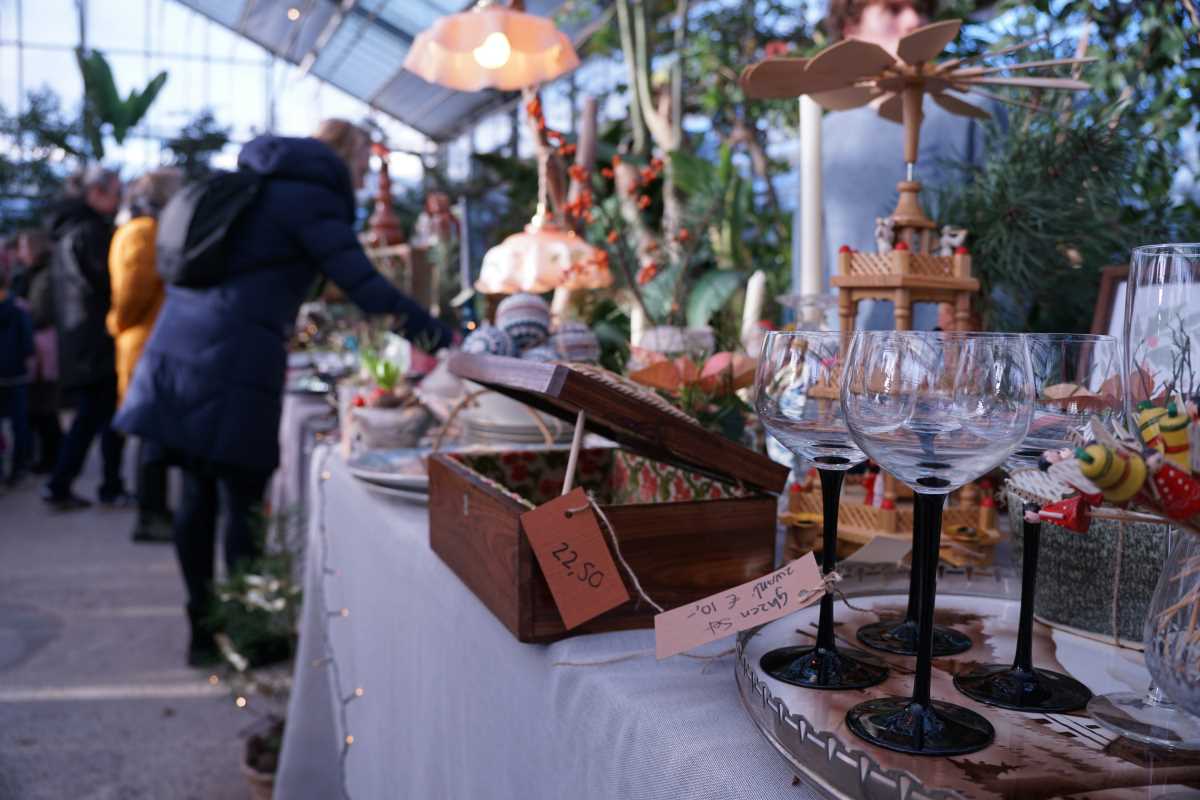
There is no substitute for meeting the maker in person. Local craft fairs, farmers' markets, and art festivals are treasure troves for discovering talent right in your backyard. You can ask questions about the process, the materials, and the story behind the piece, deepening your connection to the item.
Online Marketplaces
The digital world has opened doors for artisans globally. Platforms dedicated to handmade goods connect you with creators from every corner of the planet.
- Etsy: A massive marketplace for vintage and handmade items, perfect for finding specific niches or custom orders.
- Novica: In association with National Geographic, this site connects artisans from developing nations with a global market, empowering them to preserve their craft.
- Instagram: Many modern artisans sell directly through social media. Following hashtags like #handmadepottery or #fiberart can lead you to incredible independent studios.
Boutique Design Shops
Many independent boutiques curate selections from various artisans. These shop owners have done the hard work of sourcing high-quality items, often focusing on a specific aesthetic or region. Visiting these shops supports both the local business owner and the artisans they represent.