 (Image via
Art can bring people together. It can elevate spaces and move people to tears. Art is the soul of a home. It breathes life into empty spaces, transforming mere rooms into vibrant expressions of personality and style. When you walk into a truly luxurious interior, it isn’t simply the furniture that catches your eye. It’s the art that captures your imagination. Curating a collection is not about matching colors to your sofa or filling a blank wall. It is an emotional journey of discovering pieces that resonate with you deeply. Whether you are drawn to bold abstract paintings, serene photography, or striking sculptures, the right art has the power to elevate your design from standard to spectacular. By choosing pieces that move you, paying attention to scale, and displaying them with care, you create a home that is rich in character and style.
Beyond Decoration: Art as an Experience
In the world of high-end design, art is never an afterthought. It is often the starting point. Designers frequently use a captivating painting or a unique sculpture as the "seed" from which the rest of the room grows. This approach ensures that the art feels integral to the space, rather than something tacked on at the end.
When you curate art for a luxury environment, you are creating an experience for everyone who enters the room. A powerful piece can evoke emotion, spark conversation, or provide a moment of quiet contemplation. It adds a layer of depth that textiles and furniture simply cannot achieve on their own.
Think of your walls as a gallery. Each piece should have room to breathe and tell its own story. This doesn't mean you need to spend millions at an auction house. True luxury comes from authenticity. It is about finding work that speaks to you, whether it is from an up-and-coming local artist or a renowned master.
Discovering What Speaks to You
The first step in curating is to define your taste. This can be the most exciting part of the process! Forget about "rules" or what you think you should like. Trust your gut. Stand in front of a piece and see how it makes you feel. Does it energize you? Does it calm you?
Exploring different mediums is key to building a diverse and interesting collection. Don't limit yourself to canvas. Photography, mixed media, textile art, and sculpture all bring different textures and dimensions to a room.
- Large-Scale Abstracts: These work wonders in modern, minimalist spaces, adding a burst of color and movement without clutter.
- Black and White Photography: Classic, timeless, and effortlessly chic, monochrome photos add a sense of history and drama.
- Textural Works: Weavings, tapestries, or impasto paintings add physical depth that contrasts beautifully with sleek furniture.
- Sculptural Elements: Three-dimensional wall art breaks the monotony of flat surfaces and plays with light and shadow.
Mastering the Art of Scale
One of the most common mistakes in DIY interior design is choosing art that is too small. A tiny frame floating in the middle of a large wall can make the room feel disjointed, and the ceiling feel lower. In luxury interiors, we embrace boldness. We aren't afraid of scale.
When in doubt, go bigger. An oversized piece acts as an anchor. It commands attention and makes a confident statement. If you are placing art above a sofa or a console table, a good rule of thumb is that the piece should span roughly two-thirds to three-quarters of the width of the furniture below it.
However, playing with scale can also mean grouping smaller pieces together to create a larger visual impact. The key is intention. Whether it is one massive canvas or a collection of smaller works, the arrangement needs to feel deliberate and balanced within the architectural context of the room.
The Gallery Wall vs. The Statement Piece
Deciding between a single hero piece and a gallery wall depends largely on the mood you want to create. Both have their place in a curated home, and understanding the difference can help you make the right choice for your specific space.
The Statement Piece: This is about focus and clarity. A single, large artwork provides a resting place for the eye. It creates a sense of calm and grandeur. This approach works exceptionally well in dining rooms, above fireplaces, or in entryways where you want to make an immediate impact. It says, "Look at me."
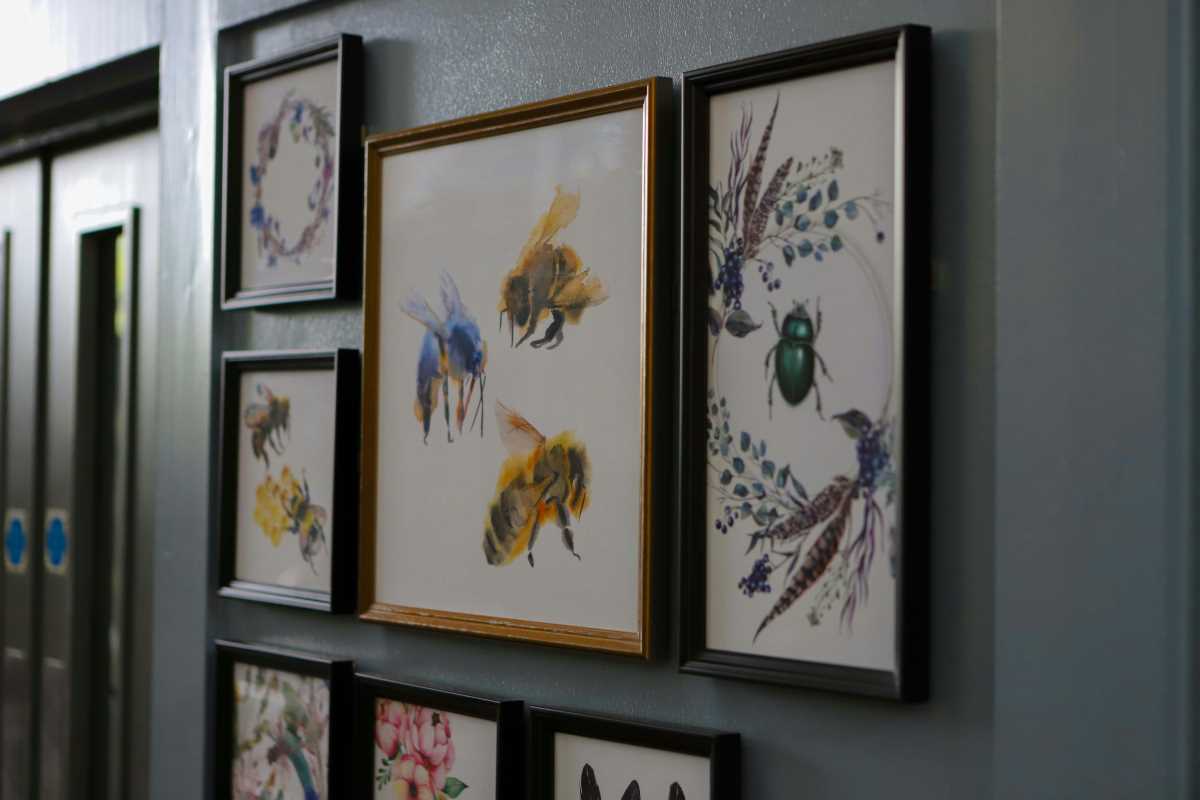
The Gallery Wall: This is about energy and narrative. A gallery wall allows you to display a collection of favorites. It feels more organic, eclectic, and personal. This is a fantastic way to mix mediums—placing a vintage oil painting next to a modern sketch and a framed photograph.
Tips for a cohesive gallery wall:
- Unified Framing: Using the same frame style or color for all pieces can tie disparate images together for a clean look.
- Color Palette: Ensuring that there is a common color thread running through the art helps the collection feel harmonious.
- Spacing: Keep the spacing between frames consistent (usually 2 to 3 inches) to maintain a sense of order amidst the variety.
Placement: Thinking Outside the Frame
Art doesn't always have to live at eye level on a blank wall. To truly elevate your interiors, get creative with placement. Luxury design often involves unexpected moments of beauty.
Consider leaning art instead of hanging it. A large framed print leaning against the wall on a mantle or a low sideboard feels casual yet sophisticated. It suggests a relaxed confidence. You can even layer frames, placing a smaller piece in front of a larger one for added depth.
Don't forget the "forgotten" spaces. A small, precious piece of art in a powder room, a hallway, or even inside a bookshelf can bring a smile to your face. These intimate encounters with art make a home feel thoroughly considered and loved.
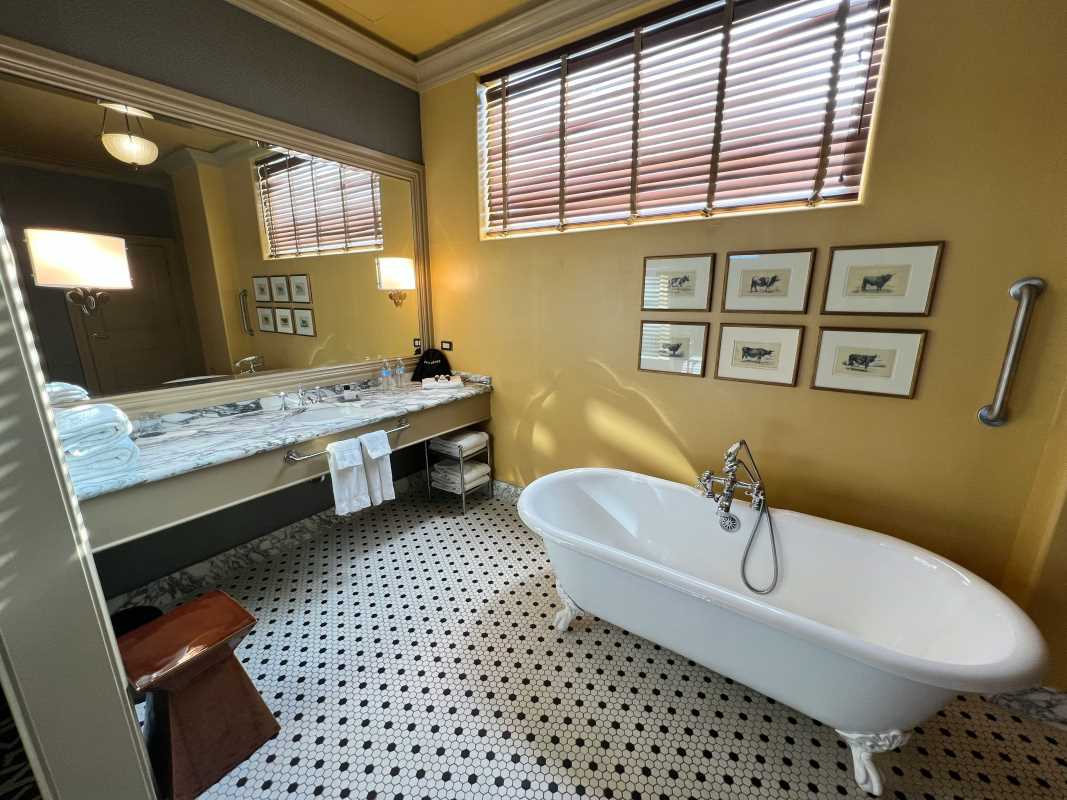
Kitchens and bathrooms are also fair game! Art brings warmth to these functional, hard-surfaced rooms. Be sure to choose pieces that can withstand potential humidity or heat, or have them properly framed and protected.
The Finishing Touches: Framing and Lighting
You can find a masterpiece, but if it is poorly framed or sitting in the dark, it loses its magic. Framing and lighting are the technical elements that signal quality.
Framing: A custom frame can make a modest print look like a museum piece. Matting is crucial—a wide, acid-free mat creates a visual pause between the art and the frame, drawing the eye in. For a modern look, consider "floating" the art within the frame so the edges of the paper are visible.
Lighting: Lighting makes art pop. In a gallery, specific lights are directed at the works to reveal true colors and textures. You can replicate this at home with picture lights mounted above the frame or directional recessed lighting in the ceiling.
Strategies for illuminating your collection:
- Picture Lights: These classic fixtures add a library-like elegance and provide direct, focused light.
- Wall Washers: These lights bathe the entire wall in a soft glow, which is perfect for large pieces or textured walls.
- Track Lighting: Modern and adjustable, track lighting allows you to spotlight different areas as your collection evolves.