 (Image via
Designing a child's bedroom is one of the most exciting projects for any parent or guardian. It is a chance to create a magical world where imaginations run wild, homework gets done (hopefully!), and restful sleep is prioritized. However, the sheer volume of options can quickly turn this fun project into an overwhelming task. The secret to simplifying the process lies in choosing quality furniture as your foundation. When you invest in well-made, thoughtful pieces, the rest of the design naturally falls into place. Quality furniture anchors the room, providing safety, durability, and style that evolves with your child. By focusing on superior craftsmanship and smart design, you can effortlessly create a space that balances fun with function, ensuring a room your child loves now and for years to come.
Why Quality Furniture Matters for Kids' Spaces
It is tempting to opt for cheaper, temporary solutions when furnishing a child's room, especially since kids grow so fast. But quality furniture offers benefits that go far beyond aesthetics. It simplifies your life by reducing the need for constant replacements and repairs. High-quality pieces are built to withstand the rigorous energy of playdates, jumping on beds, and the inevitable bumps and scrapes of childhood.
Investing in solid construction means you are also investing in peace of mind. Well-built furniture typically adheres to stricter safety standards, using non-toxic finishes and stable designs that prevent tipping. This foundation allows you to focus on the fun parts of decorating—like choosing paint colors and bedding—knowing the core elements of the room are secure and reliable.
Durability That Lasts Through the Years
Children are tough on their belongings. Flimsy particleboard often can't handle the wear and tear of daily life in a kid's room. Solid wood, reinforced joints, and scratch-resistant finishes are hallmarks of quality that ensure longevity.
- Solid Construction: Look for frames made from hardwoods or high-grade metals that won't wobble or warp over time.
- Resilient Finishes: High-quality paints and stains resist chipping and peeling, keeping the furniture looking new even after years of use.
- Heavy-Duty Hardware: Drawer glides and hinges should operate smoothly and withstand frequent opening and closing without failing.
Safety First Design
Safety is non-negotiable in a child’s room. Premium furniture manufacturers prioritize safety features that cheaper alternatives might overlook. This attention to detail protects your little ones during both sleep and play.
- Rounded Edges: Sharp corners can be hazardous. Quality pieces often feature softened or rounded edges to minimize bumps.
- Non-Toxic Materials: Ensuring that paints, stains, and glues are free from harmful chemicals like lead and VOCs contributes to better indoor air quality.
- Tip-Over Restraints: Reputable brands include hardware to anchor heavy items like dressers and bookshelves to the wall, preventing dangerous accidents.
The Power of Multi-Functional Furniture
One of the easiest ways to design a functional kids' room is to choose furniture that works double duty. Multi-functional pieces maximize floor space, leaving more room for play, and help keep clutter under control. These smart designs are particularly useful in smaller bedrooms or shared spaces.
Bunk Beds with Integrated Storage
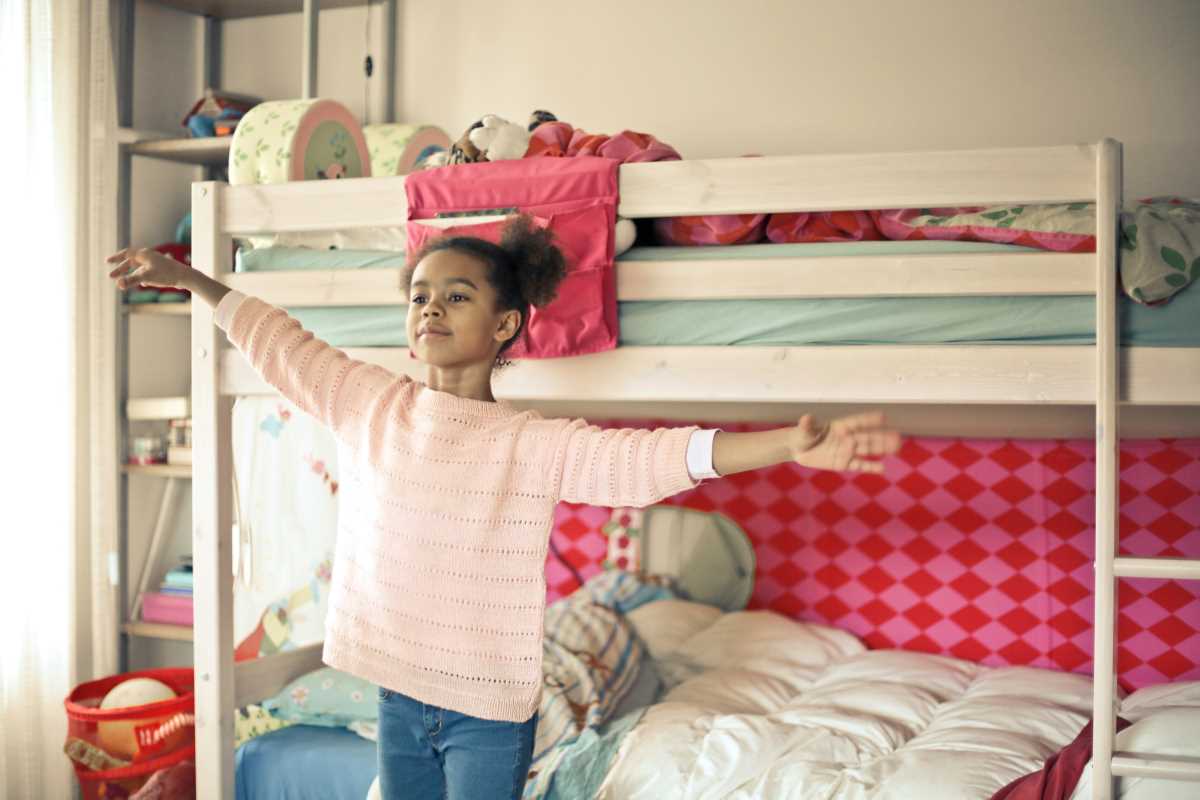
Bunk beds are a classic space-saver, but modern designs take utility to the next level. Instead of sleeping quarters, quality bunk beds often incorporate storage solutions that eliminate the need for additional heavy furniture.
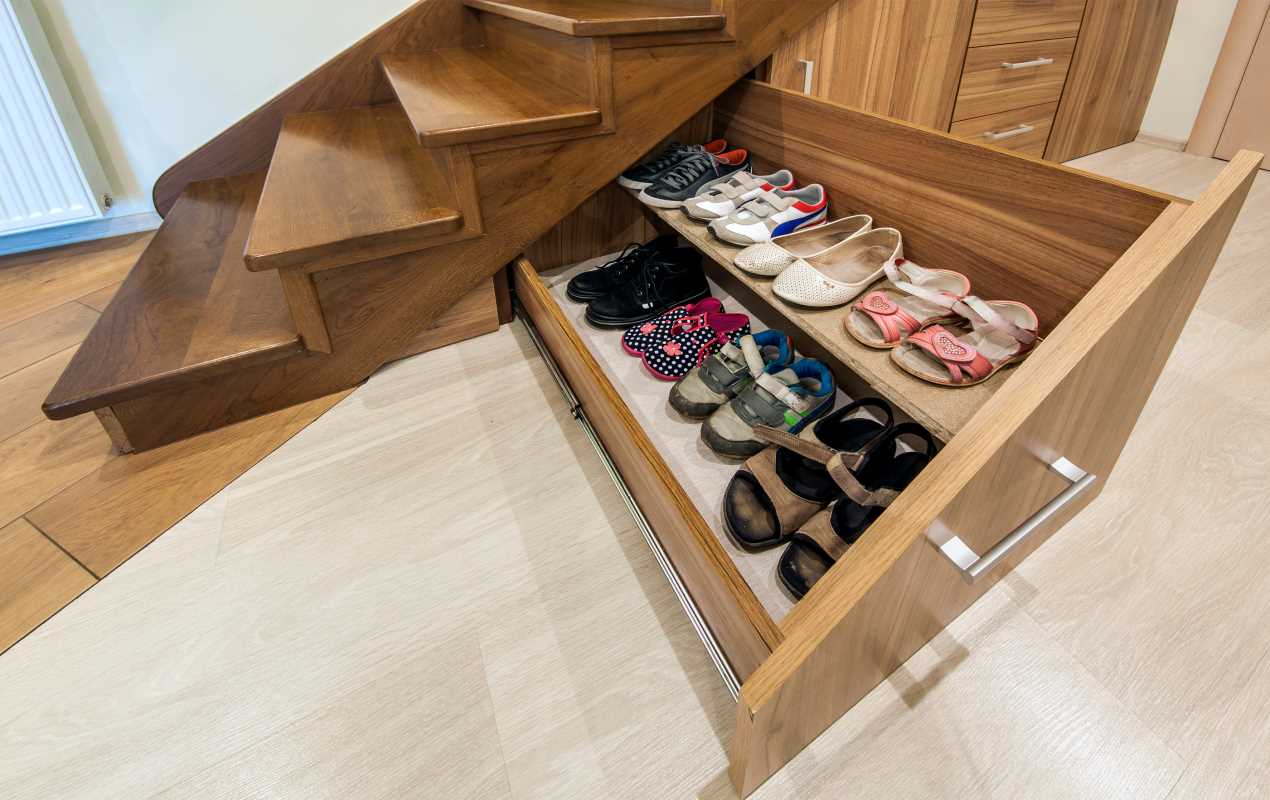
- Staircase Drawers: Some models feature staircases with built-in drawers in each step, perfect for storing clothes or toys.
- Under-Bed Trundles: A trundle bed offers an extra sleeping spot for sleepovers without taking up permanent floor space, or can be used as a massive storage drawer.
- Built-in Shelving: Headboards or side rails with integrated shelves provide a convenient spot for books, nightlights, and water bottles.
Desks with Adjustable Heights
A study area is essential as your child enters school age. However, a desk that fits a six-year-old will be comically small for a teenager. Adjustable desks grow alongside your child, ensuring ergonomic comfort at every stage of their development.
- Grow-With-Me Legs: These desks have adjustable legs that can be raised as your child gets taller, maintaining proper posture.
- Tilting Desktops: Some quality desks offer tilting surfaces for drawing or reading, supporting different activities and ergonomic needs.
- Modular Add-ons: Look for desks that allow you to add hutches or side extensions later, expanding storage as academic needs increase.
Modular Shelving Systems
Storage needs change drastically from the toddler years (bulky toys) to the teen years (books and collectibles).
Modular shelving systems offer the ultimate flexibility. You can start with a low, accessible unit for a toddler and stack or expand it as they grow.
- Customizable Cubbies: Mix and match open cubbies with drawers or doors to hide clutter while displaying favorite items.
- Vertical Expansion: As floor space becomes premium, modular systems allow you to build up rather than out.
- Reconfigurable Layouts: These systems can often be split into separate units or combined into one large wall unit, adapting to different room layouts if you move.
Styling with Adaptability in Mind
The best kids' furniture serves as a blank canvas. When you choose pieces with timeless lines and neutral finishes, you allow the room's theme to change without buying new furniture. A classic white or natural wood dresser works as well in a nursery as it does in a high schooler's room.
This approach makes redesigning easy and cost-effective. You can refresh the room's look simply by swapping out textiles, wall art, and accessories. The expensive, heavy items remain constant, while the inexpensive decor elements evolve with your child's changing tastes—from dinosaurs to sports to music.
Selecting Timeless Aesthetics
Avoiding overly themed furniture (like a racecar bed) extends the lifespan of your investment.
- Neutral Palettes: Whites, greys, and natural wood tones are versatile and blend seamlessly with any color scheme your child chooses.
- Classic Silhouettes: Simple, clean lines ensure the furniture doesn't look dated in five years.
- High-Quality Hardware: Swapping out knobs and pulls is an easy DIY hack to update the look of a dresser or desk without replacing the furniture itself.