 (Image via
The outside of your home is the first impression anyone will make upon seeing it. A stunning landscape can instantly make people adore your home and its beautiful appearance. Whether you dream of a serene garden retreat, a vibrant entertainment hub, or a sleek modern patio, achieving that vision often requires more than a green thumb—it requires the visionary eye of a professional landscape designer. These experts do far more than plant flowers. They’re architects of the outdoors, blending art, horticulture, and engineering to create functional masterpieces. Hiring a landscape designer is an investment in your lifestyle, unlocking the potential of your property to become a stunning extension of your home. Discover how these creative professionals can turn a simple plot of land into a luxurious, personalized sanctuary that you'll never want to leave.
The Visionary Role of a Landscape Designer
When you look at your yard, you might see a patch of grass or an awkward slope. A landscape designer, however, sees potential. They possess the unique ability to visualize the "after" while standing in the "before." Their role is to bridge the gap between your desires and the realities of your site. They consider how the space will be used, how it connects to the architecture of your house, and how it will evolve over seasons and years.
This holistic approach ensures that the final design isn't a collection of pretty elements, but a cohesive environment. They analyze sightlines from your windows to ensure beautiful views from the inside out. They map out traffic flow so you can move easily from the grill to the dining table. It is this strategic planning that separates a DIY garden from a professionally designed landscape.
Why their expertise is invaluable:
- Site Analysis: They assess soil quality, drainage patterns, and sun exposure to ensure the design is sustainable.
- Spatial Planning: They define distinct "rooms" outdoors, creating intimacy in large spaces or maximizing utility in small ones.
- Problem Solving: They turn challenges like steep grades or privacy issues into beautiful design features, such as terraced gardens or green walls.
Curating a Palette of Plants
One of the most daunting aspects of landscaping for homeowners is plant selection. With thousands of species to choose from, it’s easy to feel overwhelmed. Professional designers bring a deep knowledge of horticulture to the table. They understand which plants thrive in your specific climate and microclimate, ensuring that your garden looks lush and healthy rather than struggling for survival.
But it’s not merely about survival, but aesthetics as well. Designers curate plant palettes like an artist mixes paints. They consider texture, color, and form. They think about seasonal interest, ensuring that when the spring blooms fade, there is vibrant fall foliage or interesting winter bark to take their place. This "four-season interest" keeps your outdoor space looking stunning year-round.
Key considerations in professional planting design:
- Layering: Combining groundcovers, shrubs, and trees to create depth and visual interest.
- Texture Contrast: Pairing bold, broad-leaved plants with fine, feathery grasses for dynamic visual tension.
- Color Theory: Using color wheels to create harmonious (analogous) or energetic (complementary) planting schemes.
Integrating Water Elements for Tranquility
There is something universally soothing about the sound of water. Landscape designers often use water features to anchor a design and create a focal point. Whether it’s a minimalist reflecting pool, a bubbling urn, or a naturalistic koi pond, water adds movement and sound that transforms the atmosphere of a garden.
Integrating these features requires technical skill. Designers handle the complex logistics of pumps, filtration, and waterproofing so you don't have to. They also know how to scale the feature to the space. A massive waterfall might overwhelm a small courtyard, and a tiny birdbath would get lost on a sprawling estate.
The benefits of designed water features:
- Auditory Masking: The sound of falling water can help mask traffic noise, creating a private auditory bubble.
- Visual Reflection: Still water reflects the sky and surrounding plants, doubling the beauty of the landscape.
- Wildlife Attraction: Properly designed features attract birds and butterflies, adding life to your garden.
Sculpting with Light
The beauty of your outdoor space shouldn't disappear when the sun goes down. In fact, some of the most dramatic landscapes come alive at night. Professional landscape lighting is an art form that extends the usability of your outdoor areas and enhances safety. Designers blast the yard with floodlights and paint with light.
They use techniques like "moonlighting" (placing lights high in trees to cast dappled shadows) or "grazing" (placing lights close to textured walls) to create mood and drama. They highlight architectural trees, illuminate pathways for safe navigation, and create warm, inviting glows around seating areas.
Lighting strategies designers employ:
- Uplighting: highlighting the trunk and canopy of majestic trees to create sculptural focal points against the night sky.
- Path Lighting: subtle, low-level fixtures that guide guests safely without creating glare.
- Silhouette Lighting: placing a light behind a feature (like a distinct plant) to create a striking dark shape against a lit wall.
Designing Outdoor Living Rooms
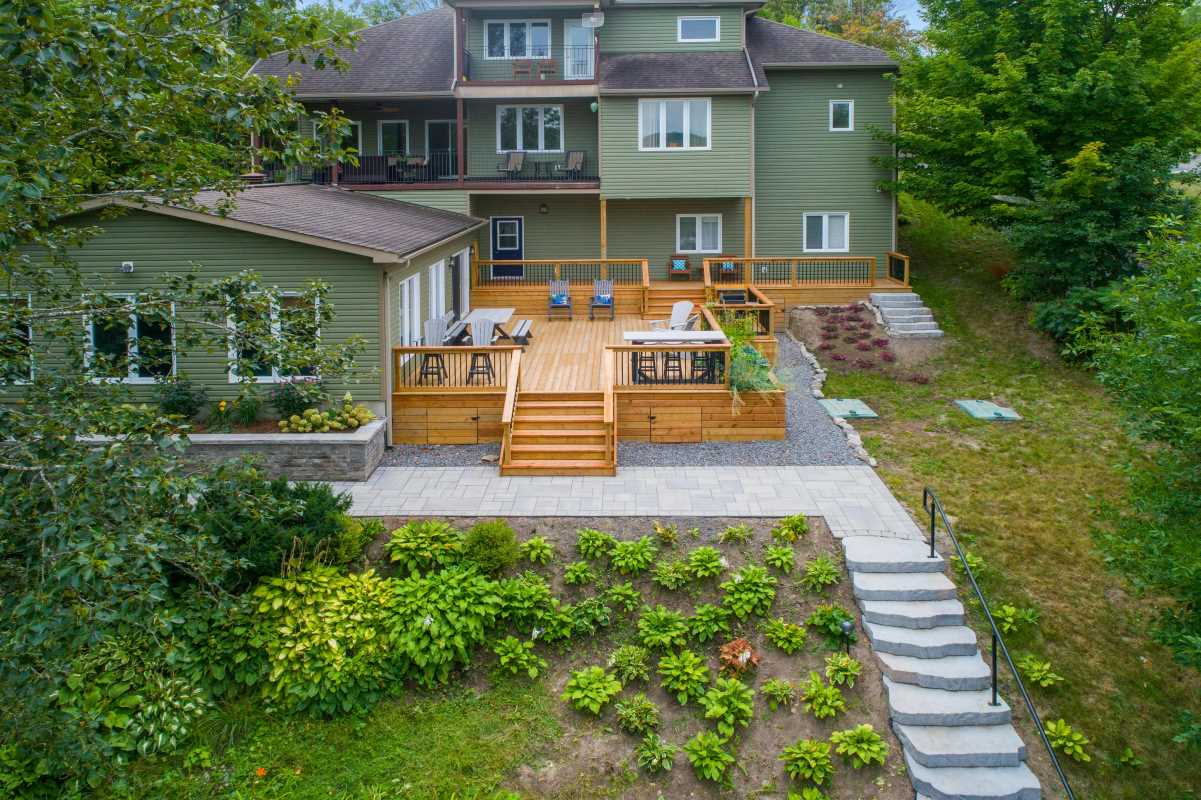
The modern trend in landscape design is blurring the lines between indoors and outdoors. We want our patios and decks to function like our living rooms and kitchens. Landscape designers are experts at creating these "outdoor rooms." They select durable, weather-resistant materials that mimic indoor finishes, from porcelain pavers to outdoor rugs.
They design built-in features that elevate the functionality of the space. This might include a custom outdoor kitchen with a pizza oven, a fire pit surrounded by built-in stone seating, or a pergola with retractable shades for climate control. These structures provide the "bones" of the outdoor living area, making it comfortable and inviting for entertaining friends or enjoying a quiet morning coffee.
Elements of a luxury outdoor living space:
- Fire Features: Fire pits or fireplaces that extend the outdoor season by providing warmth on cool evenings.
- Shelter Structures: Pergolas, gazebos, or pavilions that define the space and offer protection from the sun and rain.
- Comfortable Furnishings: selecting high-quality outdoor furniture that offers the same comfort level as indoor sofas.