 (Image via
The interior of your home is in your hands, but all that comes with decorating it doesn't have to be. Interior designers are a good alternative and can give great ideas. Your home should be a sanctuary that reflects who you are, yet achieving that perfect balance of style and function can feel incredibly daunting. This is where the magic of partnering with an interior designer comes into play. Far from being a luxury reserved for the ultra-wealthy, hiring a design professional is a strategic investment in your quality of life. An interior designer doesn’t pick out throw pillows. They act as a visionary, project manager, and creative partner all rolled into one. They bring a trained eye that can see potential where you see problems, transforming disjointed rooms into a harmonious, elevated aesthetic that feels yours. The result is a home that doesn't look like a magazine cover, but feels like the perfect reflection of you.
The Value of Professional Design Expertise
When you attempt a DIY renovation or redesign, you are often learning on the fly. While there is plenty of inspiration available online, translating a Pinterest board into reality requires a specific set of skills. Interior designers have spent years honing their craft, understanding spatial planning, color theory, and architectural details.
This expertise allows them to see the "big picture" that homeowners often miss. They understand how lighting affects paint colors throughout the day, how traffic flows through a room, and how to balance scale and proportion. By tapping into this deep well of knowledge, you ensure that every decision—from the flooring material to the window treatments—is intentional and contributes to a cohesive final look.
Creating Cohesive and Thoughtful Designs
One of the biggest struggles homeowners face is making disparate elements work together. You might love a mid-century modern sofa, but also adore rustic farmhouse tables. A skilled designer knows how to blend these styles seamlessly without the room feeling confused or cluttered.
- Unified Vision: Designers create a master plan that connects every room, ensuring a consistent flow and narrative throughout the home.
- Balance and Harmony: They understand how to distribute visual weight across a room so that no single corner feels empty or overcrowded.
- Problem Solving: Oddly shaped rooms or awkward architectural features become opportunities for creative design solutions rather than frustrations.
Access to Exclusive Resources and Trades
Have you ever walked into a stunning home and wondered, "Where did they get that?" The answer is often that you can’t buy it at a standard retail store. Interior designers have access to a vast network of "trade-only" resources that are unavailable to the general public. This access opens up a world of unique possibilities for your home.
Partnering with a designer means you are not limited to the same furniture and decor that everyone else has. You get access to custom fabric libraries, unique wallcoverings, and bespoke furniture makers. This exclusivity ensures your home stands out and feels truly one-of-a-kind.
The Power of a Trusted Network
Beyond products, designers bring their black book of trusted contacts. Renovating often involves a carousel of contractors, electricians, and painters. Finding reliable tradespeople can be a nightmare of vetting and scheduling.
- Vetted Contractors: Designers work with reliable professionals they trust to execute their vision to a high standard.
- Seamless Management: Your designer often acts as the liaison, handling communication and scheduling so you don’t have to juggle contractors.
- Quality Control: Because of their relationships, tradespeople often prioritize designer projects, ensuring better quality work and adherence to timelines.
Saving Time and Avoiding Costly Mistakes
There is a common misconception that hiring an interior designer is an added expense. In reality, a designer can save you a significant amount of money by preventing expensive errors. We have all bought a piece of furniture that looked perfect in the showroom but was too big for the living room, or a paint color that turned out too yellow on the walls.
These mistakes add up quickly. A designer helps you allocate your budget where it matters most, advising you on where to splurge and where to save. They help you get it right the first time, eliminating the "trial and error" costs of DIY design.
Maximizing Your Budget
Designers are experts at value engineering. They know how to achieve a high-end look without necessarily blowing the budget on every single item.
- Strategic Spending: They can identify which investment pieces will offer the best return on investment regarding longevity and style.
- Avoiding Redundancy: By planning the entire room at once, you avoid buying temporary "filler" items that eventually get discarded.
- Resale Value: A professionally designed home often appeals more to future buyers, potentially increasing your property's market value.
Tailoring the Aesthetic to Your Lifestyle
A beautiful home is useless if it doesn't function for the people living in it. A talented interior designer takes the time to understand your lifestyle, habits, and needs. They don't impose their own style, but they interpret yours.
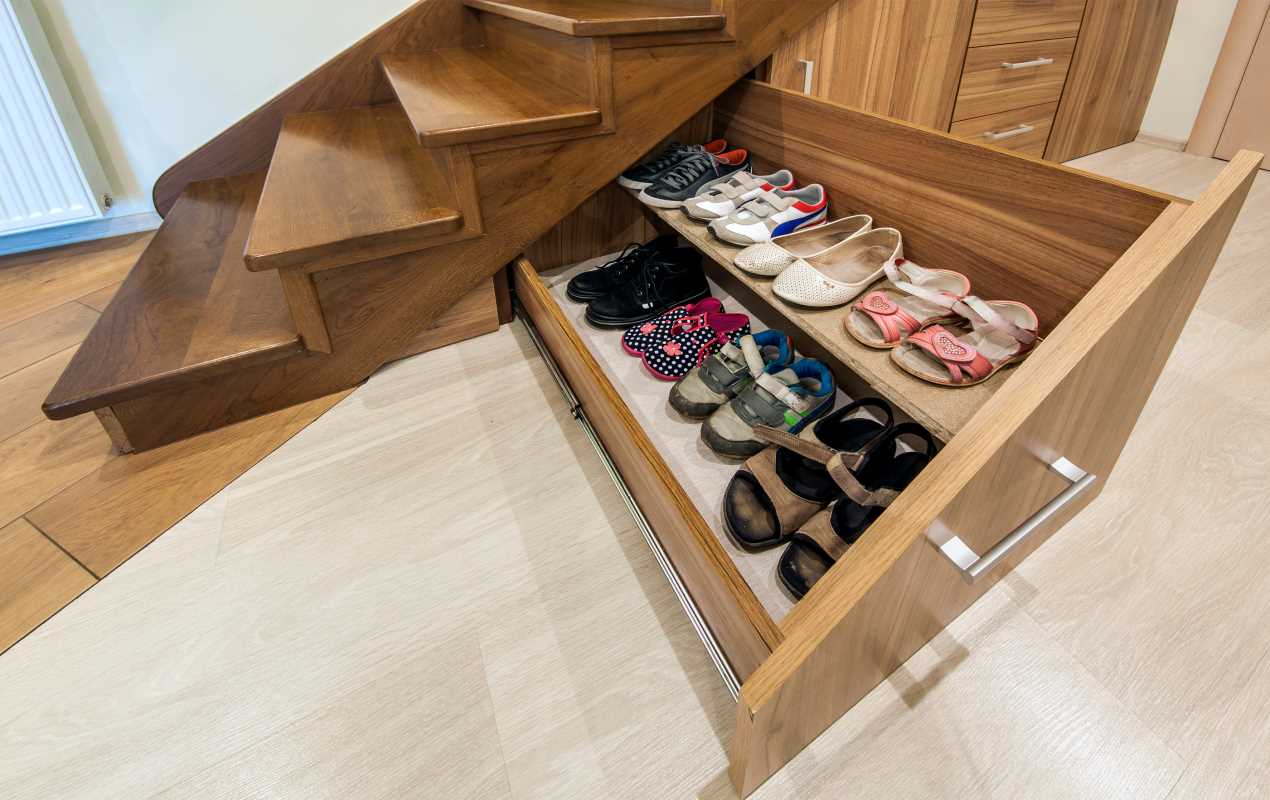
Whether you have a house full of pets and kids, or you are a frequent entertainer who needs a formal dining space, a designer tailors the aesthetic to support your daily life. They select fabrics that are durable yet stylish, plan layouts that encourage conversation, and create storage solutions that hide the clutter of real life.
Personality Infused Interiors
Your home should tell your story. Designers are skilled at incorporating your personal history and passions into the design in a sophisticated way.
- Showcasing Collections: If you collect art, pottery, or vintage books, a designer can create custom displays that highlight these treasures.
- Customization: From built-in cabinetry to custom upholstery, elements are designed specifically for your comfort and taste.
- Emotional Connection: The goal is to create a space that evokes the specific feeling you want—whether that is calm and serene or energetic and bold.
Finding the Right Design Partner
The relationship between a homeowner and an interior designer is intimate. You are inviting them into your personal space and trusting them with your budget and vision. Therefore, finding the right match is critical to the project's success. It’s about liking their portfolio, and clicking with their personality and communication style.
Take the time to interview potential designers. Look for someone who listens more than they speak in the initial consultation. You want a partner who is enthusiastic about your project and transparent about their process and fees.
Key Factors in Selecting a Designer
- Review Portfolios Carefully: Look for versatility. Do all their projects look the same, or can they adapt to different styles? Ensure their aesthetic sensibilities align with your goals.
- Check References: Speak to past clients about their experience. Specific questions about budget management, timeliness, and how the designer handled challenges.
- Assess Communication: Clear communication is key. Ensure you feel comfortable asking questions and that they explain their ideas clearly.
- Understand the Fee Structure: Designers charge in various ways (hourly, flat fee, percentage of project). Make sure you fully understand the costs before signing a contract.