 (Image via
Homes look great with furniture, but it's the rugs that pull everything together. To see the true elegance within a space, sometimes you need to look at what's under your feet. A high-end rug does more than cover the floor. It anchors the room, defines zones, and sets the emotional tone for the entire interior. Whether you are designing a sprawling living area or an intimate study, the right rug acts as a canvas that ties every element together. Investing in a luxury rug is a commitment to quality, artistry, and timeless style. It transforms a collection of furniture into a cohesive, inviting environment. Let's explore how to navigate the world of high-end floor coverings to find the perfect piece for your home.
The Foundation of Luxury: Understanding Materials
The difference between a standard rug and a luxury investment piece almost always comes down to materials. In the world of high-end interiors, natural fibers are the gold standard. They offer superior durability, texture, and a sheen that synthetic alternatives simply cannot replicate. When you touch a luxury rug, you should feel the history and craftsmanship in every knot.
Wool is the most celebrated material for good reason. It is naturally stain-resistant, incredibly soft, and durable enough to last for generations. High-altitude wool, often used in premium Persian and Oriental rugs, has a higher lanolin content, giving it a lustrous, silky finish.
Silk is the epitome of opulence. It catches the light in a way that adds depth and dimension to intricate patterns. While it is more delicate than wool, silk is often blended with other fibers to create highlights within a design, making certain details pop.
Consider these premium materials for your space:
- Hand-spun Wool: Offers rich texture and color variation that machine-spun wool lacks.
- Pure Silk: Provides an unmatched shimmer and softness, perfect for low-traffic areas like bedrooms.
- Mohair: Known for its resilience and high sheen, adding a plush, velvet-like texture.
- Natural Fiber Blends: Combinations like wool and silk offer the best of both worlds: durability and elegance.
Mastering Size and Proportion
One of the most common design errors is choosing a rug that is too small for the space. In luxury design, generosity is key. A skimpy rug makes a room feel disjointed and cheap, whereas a generously sized rug expands the visual boundaries of the room, making it feel grander and more cohesive.
The rug should be large enough to accommodate all the key furniture pieces in a grouping. In a living room, this means at least the front legs of sofas and armchairs should rest on the rug. Ideally, all legs should sit comfortably on the surface to create a distinct island of comfort.
For dining rooms, the rule is strict but essential for elegance. The rug must extend far enough beyond the table so that chairs remain on the rug even when pulled out for seating. This prevents the awkward "chair wobble" and keeps the dining zone defined.
Sizing guidelines for elegant spaces:
- The Living Room Anchor: Ensure there is 12 to 18 inches of bare floor visible around the perimeter of the room to frame the space.
- The Bedroom Sanctuary: Place the rug perpendicular to the bed, extending at least 24 inches on either side and at the foot for a soft landing.
- The Hallway Runner: Leave a few inches of floor visible on both sides of the runner to create a clean, intentional pathway.
The Art of Pattern and Color Selection
Choosing the right pattern and color is where your personal style meets design principles. A high-end rug can be art for your floor, but it must harmonize with the rest of the room. The goal is to create balance without boredom.
If your furniture is upholstered in bold prints or vibrant colors, a more subdued, tonal rug can ground the space. A solid color with a rich texture, like a hand-knotted woolen rug in cream or charcoal, adds luxury without competing for attention.
Conversely, if your furniture is neutral—think linens, leathers, and wood tones—the rug is your opportunity to introduce drama. An antique Oushak or a contemporary abstract design can inject color and movement into the room.
Strategies for visual harmony:
- The 60-30-10 Rule: Use the rug to support your color palette. If it's the dominant color (60%), keep walls neutral. If it's an accent (10%), pick up colors from throw pillows or art.
- Scale of Pattern: Pair large-scale patterns on furniture with smaller, intricate patterns on the rug to avoid visual clashes.
- Heirloom Quality: Antique rugs often feature faded, mellow colors that work beautifully in modern spaces, bridging the gap between old and new.
Hand-Knotted vs. Hand-Tufted: Knowing the Difference
When shopping for luxury rugs, you will encounter terms like "hand-knotted" and "hand-tufted." Understanding the distinction is important for determining value and longevity.
Hand-knotted rugs are the pinnacle of rug-making. An artisan ties every single knot by hand, a process that can take months or even years. These rugs are incredibly durable and often increase in value over time. They are true heirlooms. You can identify them by flipping the rug over; the pattern on the back should mirror the front perfectly.
Hand-tufted rugs are made by punching strands of wool into a canvas stretched on a frame. A backing is then glued onto hold the fibers in place. They can be beautiful and lush, but they do not have the lifespan of a hand-knotted rug and are generally less expensive.
- Longevity: They can withstand heavy traffic and professional cleaning for decades.
- Uniqueness: No two hand-knotted rugs are exactly alike, adding exclusive character to your home.
- Flat Weave Options: Kilims and Dhurries are hand-woven without pile, offering a chic, casual elegance suitable for sunrooms or kitchens.
Placement Strategies for Maximum Impact
Once you have selected the perfect rug, placing it correctly is the final step in anchoring your elegant space. The orientation of the rug can change the perceived shape of the room.
In a long, narrow room, placing a rug horizontally can visually widen the space. In an open-concept home, using different but complementary rugs helps to define separate living, dining, and working zones without the need for walls. This "zoning" technique is essential for maintaining flow while establishing distinct atmospheres.
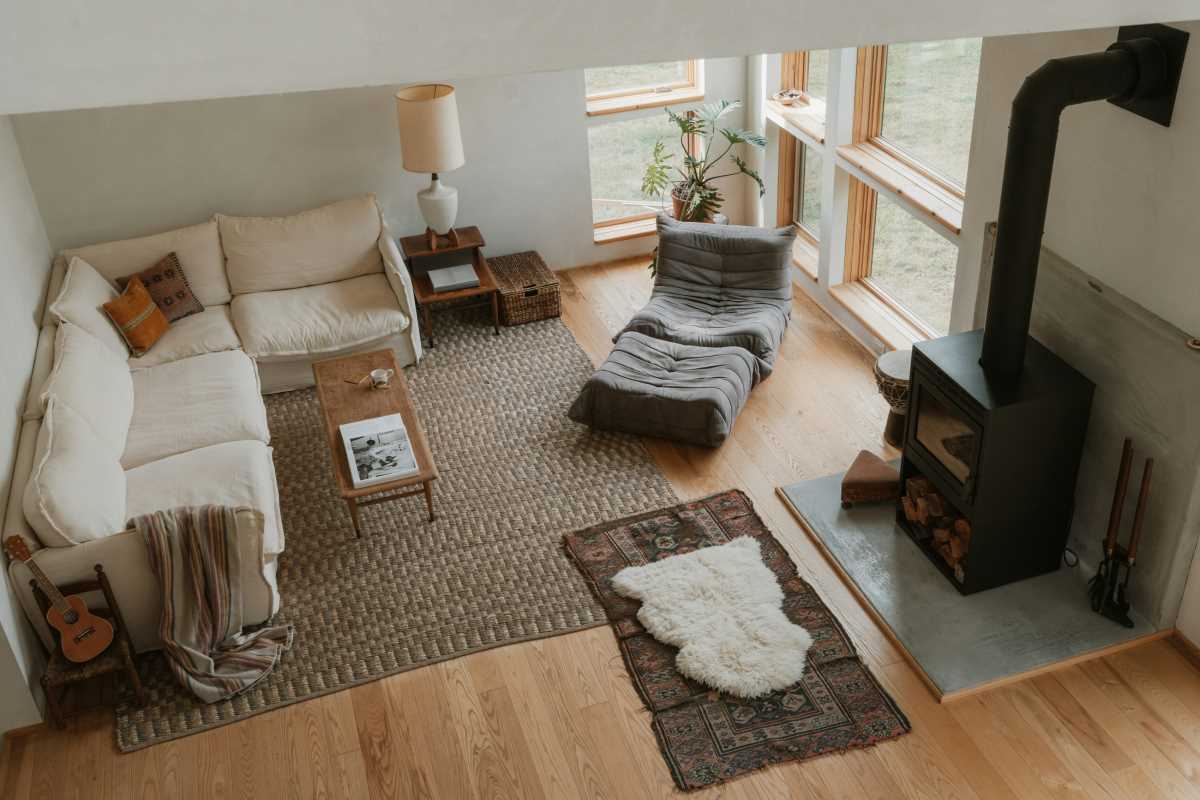
Don't be afraid to layer. Layering rugs is a sophisticated trend that adds texture and warmth. Start with a large, neutral natural fiber rug (like jute or sisal) as the base, and place a smaller, more decorative vintage rug on top. This works particularly well in living rooms or bedrooms where you want to highlight a special piece without it getting lost in a large room.
Tips for perfect placement:
- Center Stage: In symmetrical rooms, center the rug perfectly under the light fixture or architectural focal point.
- Angled Arrangements: For a dynamic, modern look, place a rug at an angle beneath a singular statement chair and side table.
- Entryway Impact: A round rug in a square foyer softens the corners and welcomes guests into the center of the home.